
Industry News
Curation by industry experts
Hot Articles
Popular Tags
Gas Turbine Carbon Limits Remain After EPA Repeal
A partial repeal of the US Environmental Protection Agency’s 2024 power plant carbon standards took effect on November 16, removing a 2032 carbon capture rule for new gas turbines while leaving efficiency-based CO2 standards in place. The year and the timing of the underlying event were not specified in the supplied information. For developers, equipment suppliers and contractors, the distinction matters: new turbine projects continue to face emissions constraints, even though the identified carbon capture rule has been removed.
What the partial repeal changes
The EPA’s partial repeal concerns its 2024 carbon standards for power plants. It took effect on November 16. The repeal removed a carbon capture rule that would have applied to new gas turbines in 2032.
Efficiency-based CO2 standards remain as part of broader emissions limits. These standards continue to constrain emissions from new gas turbine projects. The supplied information does not specify the numerical limits, compliance procedures or other implementation details.
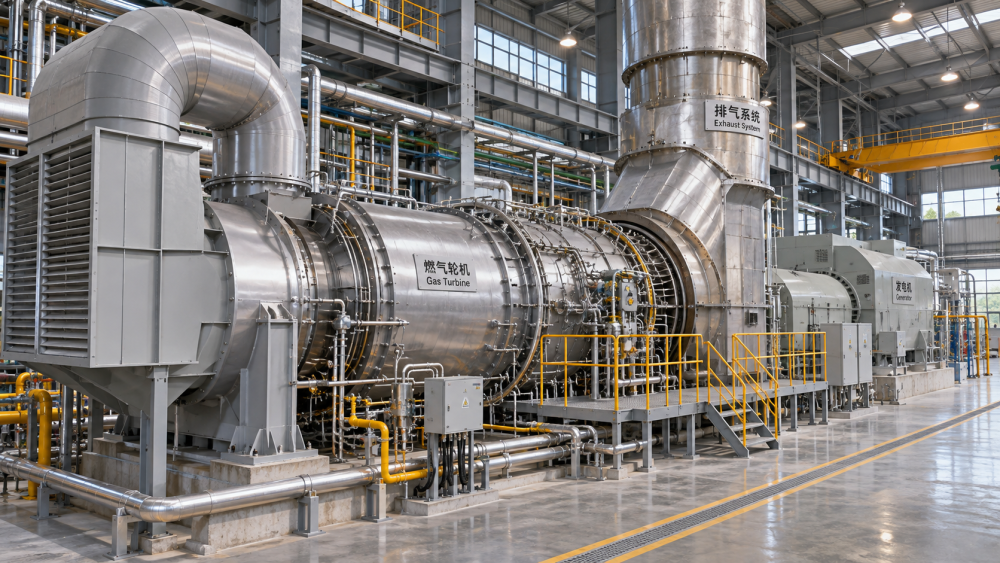
Where the remaining limits may affect projects
Project planning and equipment selection
From an industry perspective, developers considering new gas turbine projects may need to distinguish between the removed carbon capture rule and the efficiency-based standards that remain. The repeal could change how a project team evaluates a carbon capture option, but it does not establish that any particular turbine configuration will satisfy the continuing CO2 limits.
Analysis suggests that equipment selection may depend on how a proposed turbine performs under the conditions relevant to the applicable standard. Developers and their technical advisers may therefore want to compare the emissions and efficiency information available for competing configurations before settling on a design. The supplied information does not identify a prescribed calculation method or the operating conditions to be used for compliance.
For projects already under consideration, the practical question may be whether assumptions made for the removed rule are still appropriate alongside the surviving limits. A review could cover the proposed equipment, the emissions data used in project planning and any outstanding questions that depend on the detailed regulatory text. The effect on a particular project remains a matter for verification.
Turbine suppliers and technical proposals
Manufacturers and equipment suppliers may encounter requests to explain how their proposed turbines relate to the continuing efficiency-based CO2 standards. Analysis suggests that technical proposals could receive closer scrutiny where buyers need to compare performance claims with the limits applicable to a new project.
Suppliers may find it useful to review the basis of their performance information, including the configuration and operating conditions to which a figure relates. A value supplied for one set of assumptions may not answer every question raised by a different project design. The input does not establish a new documentation format, certification requirement or test procedure, so any specific request should be checked against the relevant rule and procurement documents.
The change may also affect discussions about equipment scope. A buyer and supplier could revisit whether a proposal includes carbon capture-related equipment while separately examining the turbine’s position under the remaining standards. Those discussions should not be interpreted as evidence that a particular component is required or unnecessary for every project.
Engineering, integration and delivery
Engineering contractors and equipment integrators may need to reassess project interfaces when a carbon capture assumption changes. In analysis, this could affect design comparisons, equipment specifications or the information exchanged among project participants. Whether any redesign is needed would depend on the individual project and the requirements that apply to it.
Delivery teams may also want to identify which technical assumptions support the emissions assessment and where those assumptions appear in purchase or engineering documents. If the selected configuration changes during procurement, the parties may need to check whether earlier performance information remains relevant. The supplied information does not confirm a change to delivery deadlines or establish that existing contracts must be revised.
Testing and performance information
Testing providers and technical advisers may be asked to help project teams understand the evidence available for an efficiency-based CO2 assessment. This is a possible business implication, not a confirmed new testing obligation. The input does not say which tests, reports or independent reviews, if any, are required.
For buyers and suppliers, the useful distinction is between information that describes expected equipment performance and evidence accepted under an applicable compliance procedure. Analysis suggests that the two should be aligned where possible, but the relevant procedure must first be verified. A performance claim alone should not be treated as proof that a project meets an unspecified limit.
Questions to resolve before procurement advances
Confirm the scope of the surviving standard
A first step for project teams is to check the authoritative rule text and any relevant regulatory guidance. The supplied summary establishes that efficiency-based CO2 standards remain, but it does not provide their numerical limits, applicability conditions or compliance method. Those details could materially affect how a particular project is assessed.
Teams may also want to verify the effective date and its relationship to their project schedule in the underlying documents. The supplied information identifies November 16 but does not give a year. It would therefore be premature to assign the date to a particular calendar year or infer how it applies to a specific procurement milestone.
Where a project has relied on earlier regulatory assumptions, a document review could identify which assumptions concern the removed carbon capture rule and which concern the continuing efficiency-based limits. This is a suggested review, not a statement that a new filing or approval is required.
Align specifications with evidence
Procurement teams could ask prospective suppliers to identify the turbine configuration, performance assumptions and supporting information behind their proposals. The purpose would be to make bids easier to compare and to identify questions for technical or regulatory review before a selection is made.
For example, a project team might compare whether proposals use consistent assumptions when describing efficiency and CO2 performance. Any difference may warrant clarification before the figures are used in a project assessment. The input does not specify a mandatory bid format, a required certificate or an accepted verification method; those matters should be checked separately where relevant.
Contractors and suppliers may also benefit from recording how a proposed design relates to the information provided at the bidding stage. If a configuration changes later, the team can then assess whether the original data still describes the equipment being delivered. This is a risk-management suggestion rather than a newly confirmed regulatory requirement.
Review carbon capture assumptions separately
The removal of the 2032 carbon capture rule may prompt some developers to revisit equipment scope, technical alternatives or procurement timing. Analysis suggests that the appropriate response will vary by project: a design decision can involve commercial and technical considerations beyond the limited facts supplied here.
When reviewing alternatives, project teams should keep the remaining CO2 standards in view. Removing a carbon capture rule does not, on the information provided, remove the broader efficiency-based emissions constraint. Before changing a specification, the parties may need to establish whether the proposed alternative can be assessed against the applicable requirements using reliable information.
Track changes through contracts and handover
Buyers, suppliers and contractors may wish to identify where emissions and efficiency assumptions appear in tender documents, technical schedules and handover materials. If project requirements are clarified or a design changes, these documents can be reviewed for consistency. The input does not establish that any particular contractual amendment or handover document is mandatory.
It may also be useful to clarify who supplies performance data and who evaluates it against the applicable standard. Analysis suggests that clear allocation of these tasks could reduce uncertainty during procurement and delivery, while leaving the actual legal obligations to be determined from the relevant rules and agreements.
Implementation details remain the next test
At this stage, it is most appropriate to understand the repeal as an effective change to one part of the 2024 standards, alongside a continuing emissions constraint. The removal of the specified carbon capture rule is confirmed in the supplied summary; the practical route for demonstrating compliance with the remaining efficiency-based standards is not described there.
From an editorial perspective, subsequent official materials could matter as much to individual projects as the headline distinction. The applicable text, any implementation guidance and the treatment of particular turbine configurations may determine what information buyers and suppliers need. Project participants should also watch how technical requirements are reflected in tender documents and how the industry responds as the change is applied.
No conclusion about market growth, equipment orders or project costs follows directly from the supplied facts. Such outcomes could depend on project designs, commercial decisions and implementation details that have not been provided. Observing those developments would be more reliable than assuming a uniform response across the sector.
Planning under a continuing CO2 constraint
For new gas turbine projects, the central distinction is between a removed carbon capture rule and efficiency-based CO2 limits that remain. Analysis suggests that the most useful immediate response is to verify the detailed requirements, review project assumptions and ensure that procurement discussions address the performance information needed for assessment.
The change is therefore best treated as a partial regulatory change already in effect, with project-level implications still to be established. Decisions about equipment, documentation and delivery should reflect verified requirements and the circumstances of each project.
Basis for this report and further verification
This article is based on the user-provided news title, event-time description and event summary. No specific official source link was provided in the input, so the underlying rule and its implementation should be checked against official EPA publications and other authoritative materials as they become available or are located.
Further verification should focus on the rule details, applicable compliance procedures, any relevant changes in tender documents and feedback from project participants. These matters were not specified in the supplied information and remain open for observation.
Recommended News