
Tagname : impact of lng supply chain on shipping
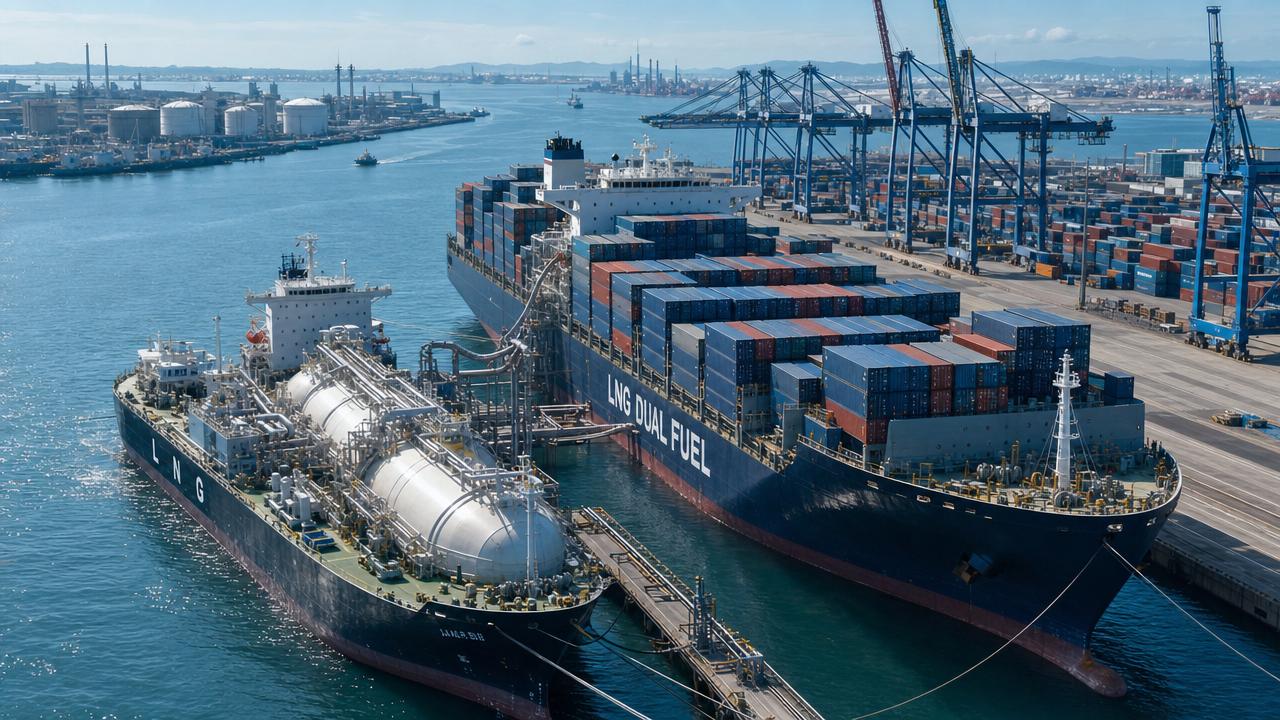
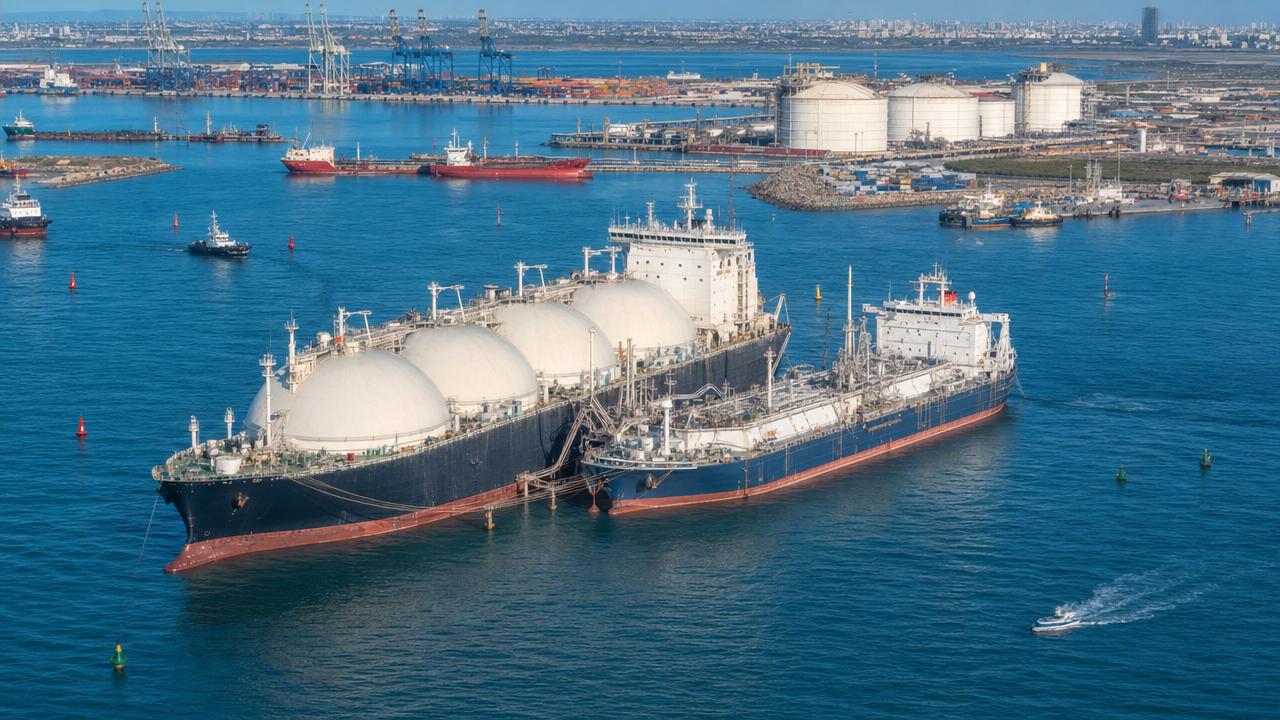
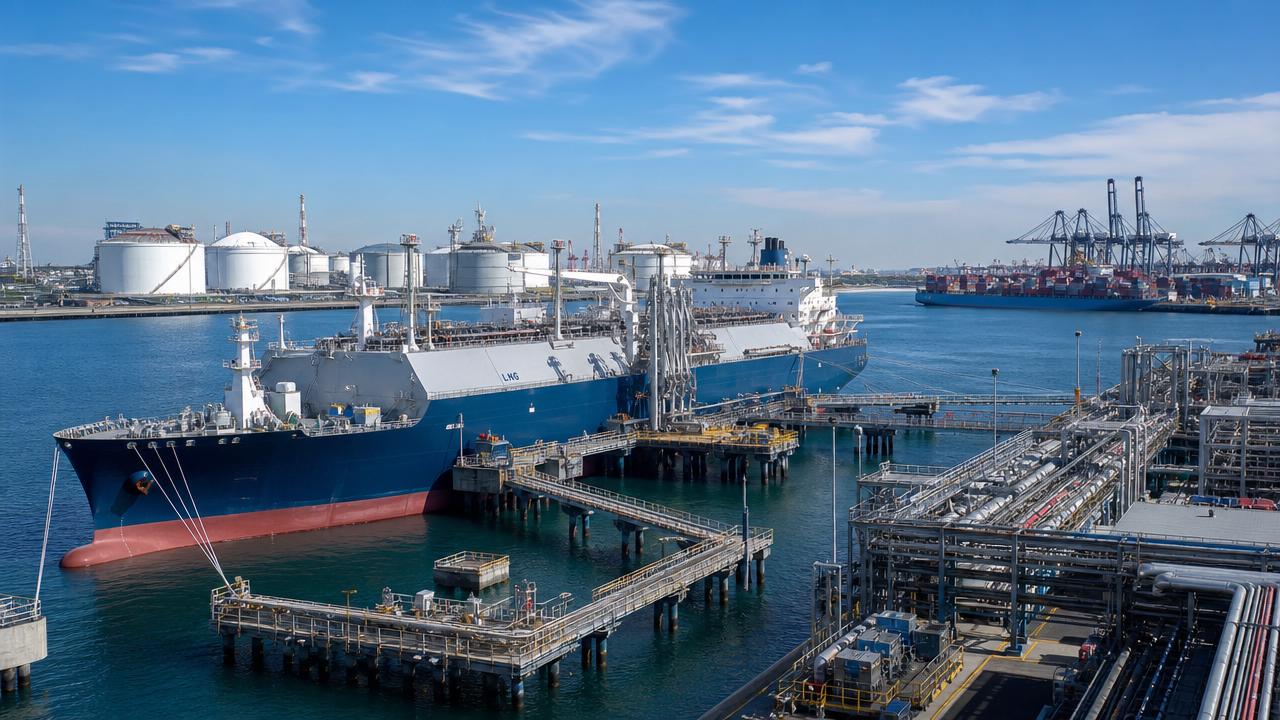
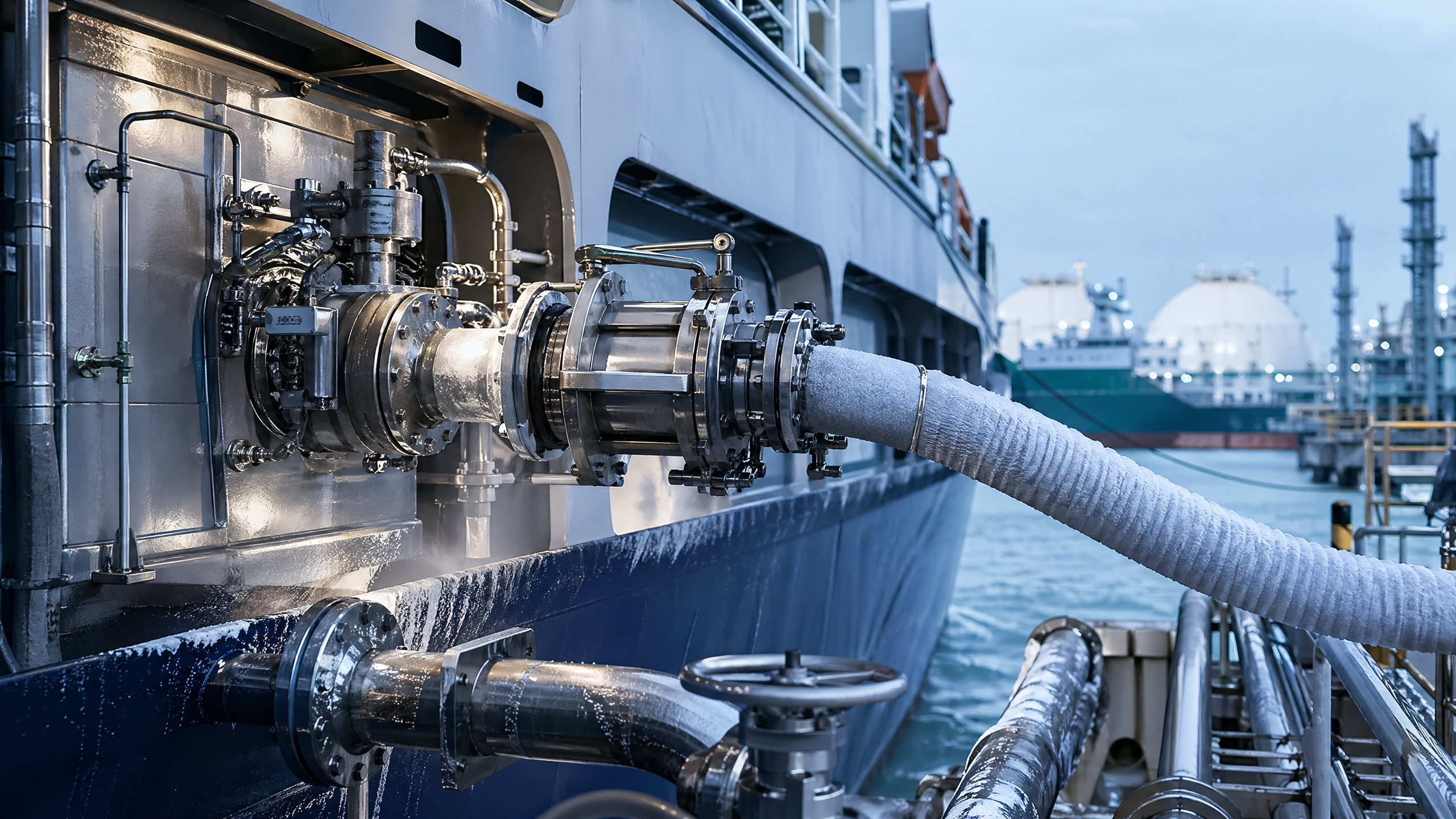
 Impact of LNG Supply Chain on Shipping: Cost and Delay RisksImpact of LNG supply chain on shipping: explore route-based cost, delay, and resilience risks across regional, long-haul, and high-value cargo operations.
 Impact of LNG Supply Chain on Shipping: Cost Volatility and Route RiskImpact of LNG supply chain on shipping: discover how cost volatility, bunker access, and route risk reshape fleet decisions, contract strategy, and voyage resilience.
 How LNG Supply Chain Risk Is Changing Shipping CostsImpact of LNG supply chain on shipping is reshaping freight costs through fuel volatility, bunker access, and regulation. Discover how to cut risk, compare vessel options, and plan smarter routes.
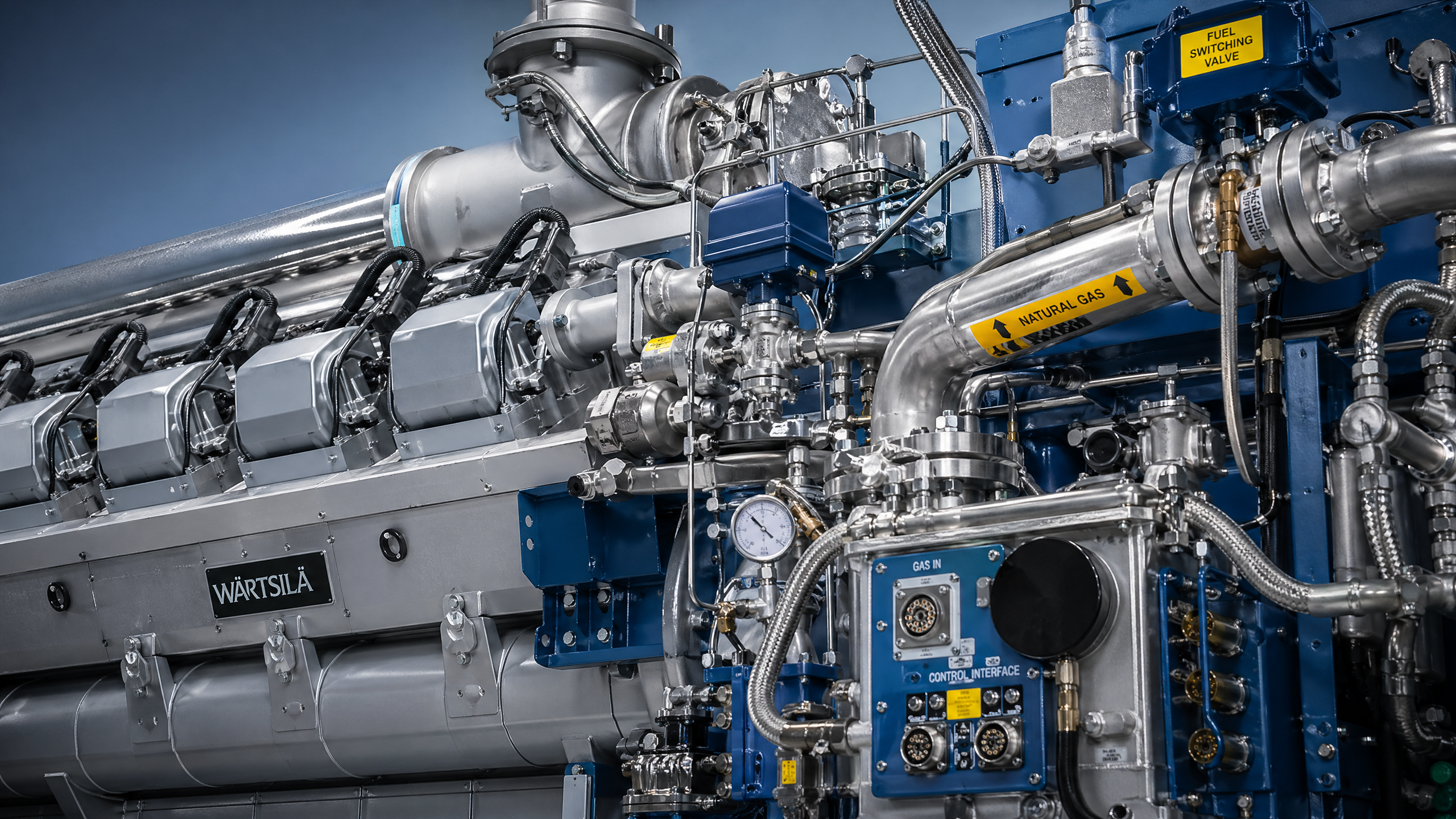
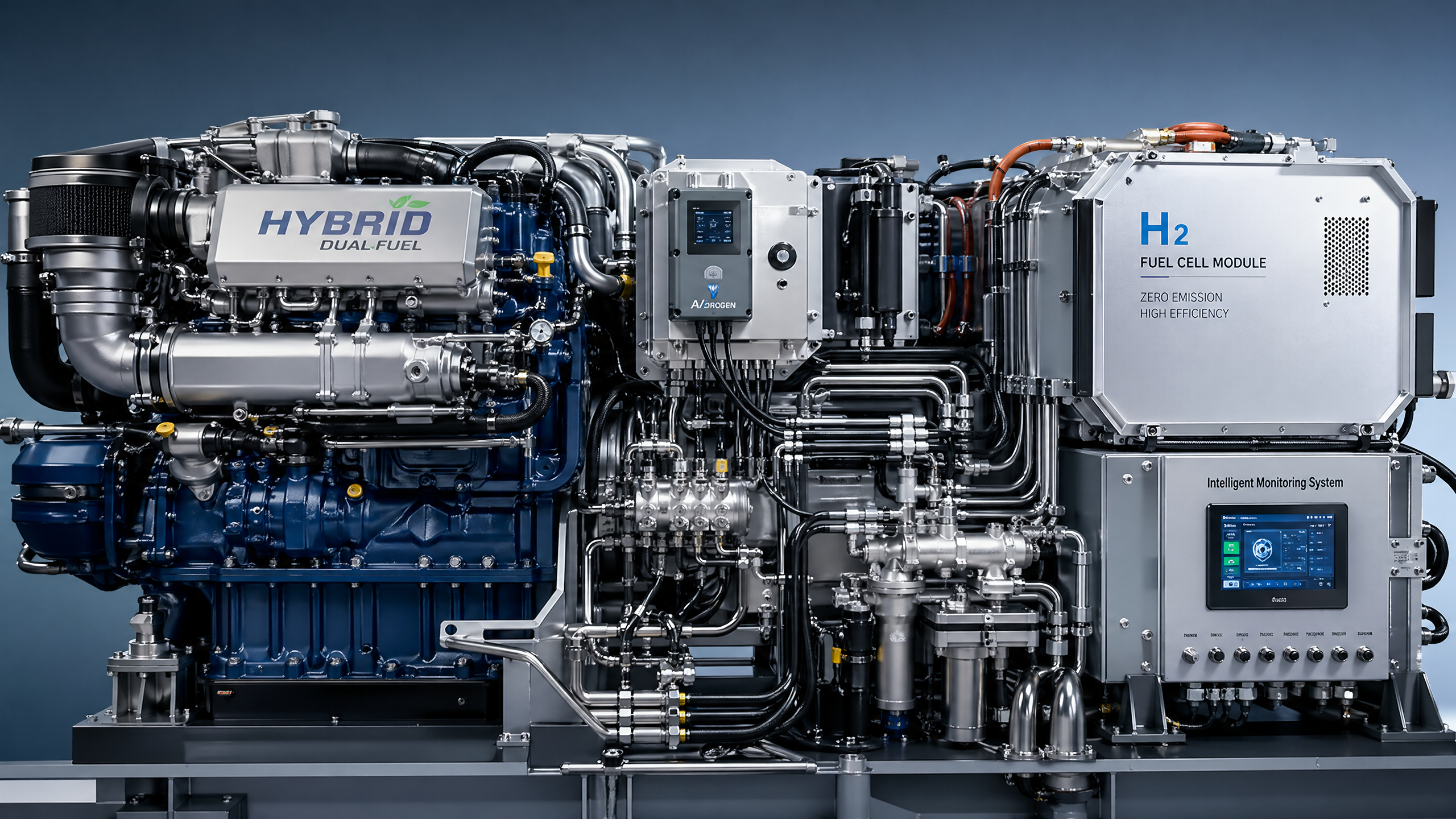
 Dual-Fuel Marine Engines: Where Projects Go WrongDual-fuel marine engines projects often fail when ISO standards, efficiency protocols, and emission protocols are misread. Discover integration risks, LNG supply chain impacts, and smarter fixes.
 Autonomous Vessel Propulsion Trends to Watch in 2026Autonomous vessel propulsion trends in 2026: hydrogen propulsion, dual-fuel marine engines, ISO standards, emission protocols, and smart engine monitoring technology shaping cleaner, safer shipping.
 How LNG Supply Chain Risk Hits Shipping CostsImpact of LNG supply chain on shipping explained: see how ISO standards, emission protocols, and dual-fuel marine engines drive costs, risk, and smarter fleet decisions.
{item.title}
{item.description}