
Industry News
Curation by industry experts
Hot Articles
Popular Tags
WinGD and HD Hyundai Sign First License Agreement to Expand Dual-Fuel Capacity
WinGD and HD Hyundai Marine Engine have signed their first license agreement, opening another manufacturing route for WinGD's medium-bore diesel and dual-fuel two-stroke engines. The event date was not specified. The agreement is a commercial licensing development, not an announced change to a policy, regulation or technical standard, but it may affect engine sourcing and delivery planning for bulk carriers and tankers.
A New Manufacturing License for Medium-Bore Engines
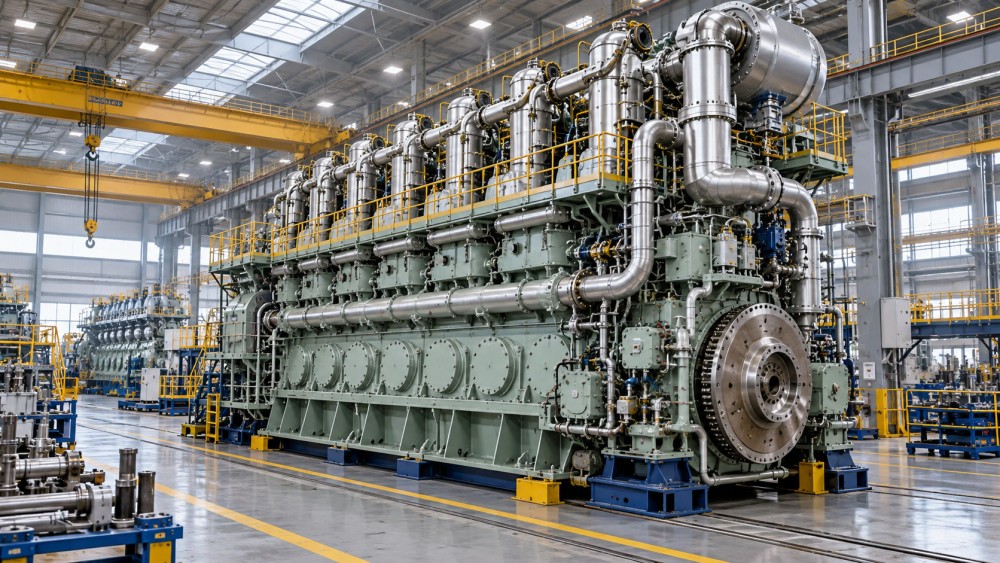
Swiss marine power company WinGD signed the agreement with HD Hyundai Marine Engine, formerly STX Heavy Industries. Under the agreement, HD Hyundai will build WinGD's medium-bore diesel and dual-fuel two-stroke engines. The arrangement is intended to significantly expand WinGD's ability to deliver engine designs for the bulk carrier and tanker markets. The companies will also cooperate on reducing emissions.
What an Expanded Manufacturing Route Could Mean for Buyers
Engine Sourcing for Bulk Carriers and Tankers
From an industry perspective, the license could give shipowners and other engine buyers another manufacturing option for the covered WinGD designs. The practical effect on procurement remains to be established: buyers may need to verify which engine specifications are available, how delivery schedules are set and whether proposed supply terms meet their project requirements.
Shipbuilding and Equipment Integration
For shipbuilders and equipment integrators, a licensed manufacturing route may require closer alignment of engine specifications with vessel and fuel-system requirements. Analysis suggests that technical documentation, delivery coordination and the allocation of responsibilities between suppliers could become important points to clarify before an order is placed. The supplied information does not establish the details of those arrangements.
Certification and Service Planning
Certification and service providers may need to assess project-specific documentation and support arrangements if engines are sourced through the new licensee. No change to certification rules or service obligations has been identified in the supplied information. Any effect on approvals, maintenance support or traceability would need to be verified for the relevant engine and project.
Checks Before Committing to an Engine Order
Confirm the Scope and Schedule
Prospective buyers may wish to confirm which medium-bore designs and fuel configurations are covered by an offer, as well as the proposed production and delivery schedule. The agreement alone does not establish availability for a particular vessel or order.
Review Technical and Compliance Documents
Before finalizing specifications, parties could request the relevant technical documents and verify applicable approval and certification requirements for their project. They should also check how any emissions-related claims are supported. The supplied summary does not specify an emissions target, compliance method or new regulatory requirement.
Clarify Support and Traceability
Buyers and integrators may wish to establish who will provide technical support, service and product documentation, and how engine identification and quality records will be maintained. These are procurement checks, not obligations established by the information provided.
A Licensing Signal, Not a New Rule
At this stage, the agreement is best understood as a confirmed commercial licensing arrangement and a signal of intended capacity expansion, rather than evidence that a new industry rule has taken effect. Its practical impact remains an observation: it will depend on details not supplied here, including the available designs, production schedules, project-specific approvals and market response. The planned emissions cooperation also warrants monitoring, but its scope and outcomes are not specified.
Capacity Expansion Still Requires Project-Level Verification
The agreement may broaden the manufacturing options associated with WinGD's diesel and dual-fuel engine designs for bulk carriers and tankers. For now, industry participants should treat potential procurement and delivery benefits as possibilities to assess against confirmed offers and project documentation, not as established results.
Basis for This Report
This article is based on the user-provided news title, event timing and summary. No specific official source link was provided in the input, so the details require continued verification. Subsequent company announcements and relevant project documents may clarify the license's implementation, certification approach, delivery arrangements and industry response.
Recommended News