
Industry News
Curation by industry experts
Hot Articles
Popular Tags
Wärtsilä Retrofitted Chevron LNG Ship Engines to Reduce Methane Emissions
Wärtsilä has announced the conversion of engines aboard three Chevron LNG carriers to reduce methane slip, at a time when the existing fleet faces increasingly stringent environmental regulation. The date of the event was not specified. For vessel operators, equipment suppliers and procurement teams, the announcement offers a potential retrofit option, although the information provided does not identify a specific regulatory change or establish compliance with any particular requirement.
Conversion targets methane slip from 50DF engines
Wärtsilä said it successfully converted one engine on each of three Chevron LNG carriers from dual-fuel operation to spark-ignited natural gas operation. According to the assessment described in the supplied information, the retrofit for 50DF engines can reduce methane emissions by up to 75%. Under the IMO weighted E2 cycle average, methane emissions would fall to 1.1% of fuel use.
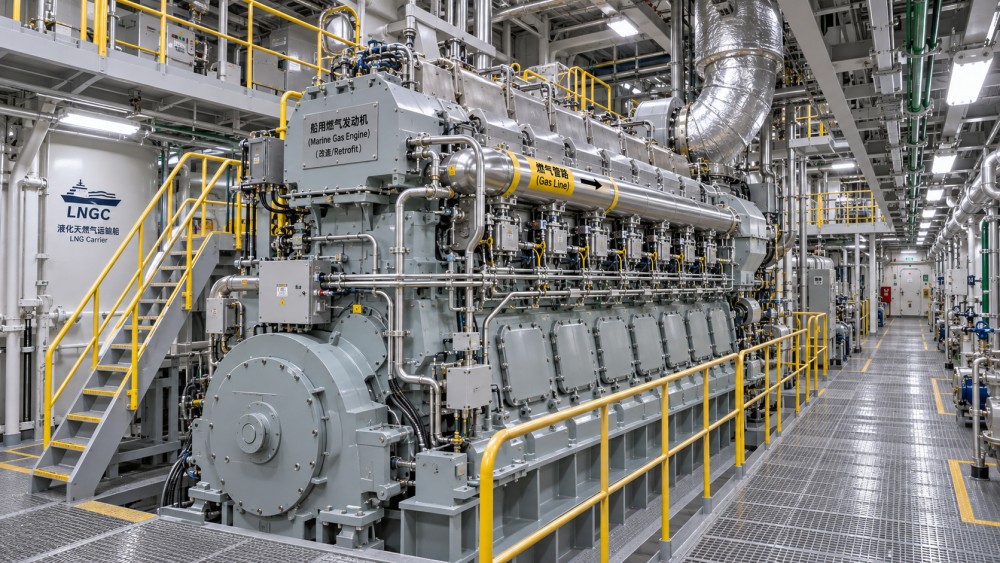
What the retrofit could mean across the vessel supply chain
Fleet operators and buyers
From an industry perspective, operators considering methane-reduction measures may assess this conversion alongside other options for existing LNG carriers. Procurement teams could seek evidence of applicability to their engines and operating profiles, as well as clarification of the expected performance and delivery scope. The reported reduction is an assessed maximum, and the E2-cycle figure should not be assumed to represent every vessel's operating emissions.
Equipment and service providers
Analysis suggests that engine suppliers, retrofit contractors and after-sales providers may face closer scrutiny of technical specifications, performance documentation and service arrangements. When preparing proposals, they may need to explain how a conversion would be verified and how any changes to fuel operation affect the proposed scope. The supplied information does not establish the documentation or certification required for a particular project.
Testing and compliance teams
Teams evaluating emissions performance may need to distinguish the reported IMO weighted E2 cycle average from results measured under other conditions. They could also examine whether the available evidence is suitable for the regulatory or contractual assessment relevant to a vessel; the announcement alone does not confirm that any specific compliance test has been met.
Checks before specifying a conversion
Confirm engine and vessel suitability
Operators considering a similar project could verify whether the proposed conversion applies to their engine configuration and assess the operational implications of changing from dual-fuel to spark-ignited natural gas operation. Suitability for vessels beyond those described in the announcement remains unconfirmed in the supplied information.
Examine the emissions evidence
Buyers could request the basis for the claimed reduction of up to 75%, the measurement conditions behind the 1.1% figure and any limitations on applying those figures to their own vessels. They should also check how proposed performance evidence relates to applicable requirements and contract terms.
Review delivery and regulatory documentation
Before committing to a retrofit, parties could clarify the technical documents, verification, approvals and service support that may be relevant to the project, together with the proposed schedule. Any applicable regulatory requirements and certification expectations should be checked against current authoritative material rather than inferred from the announcement.
A technical signal, not a documented rule change
At this stage, it is more appropriate to understand the announcement as evidence of a retrofit approach in response to environmental pressure, not as confirmation that a new rule has taken effect. The supplied information describes increasingly stringent regulation but does not identify a specific measure, implementation date or enforcement procedure. Further details on performance verification, applicability and regulatory acceptance could affect how operators assess the option.
Assessing the option for existing fleets
The conversion points to a potential way for existing LNG carriers to address methane slip. Its value for a particular fleet remains a matter for technical and compliance assessment, including the relevance of the reported E2-cycle result and the requirements applicable to each project.
Basis for this report and points to verify
This article is based on the user-provided news title, event timing and summary. No specific official source link was provided in the input, so the underlying announcement and supporting information still need to be verified. Subsequent checks could include official announcements and regulatory or standards documents, along with any relevant clarification of testing, certification, procurement requirements and industry feedback.
Recommended News