
Industry News
Curation by industry experts
Hot Articles
Popular Tags
Wärtsilä Completes Engine Retrofits on Three Chevron LNG Carriers to Cut Methane
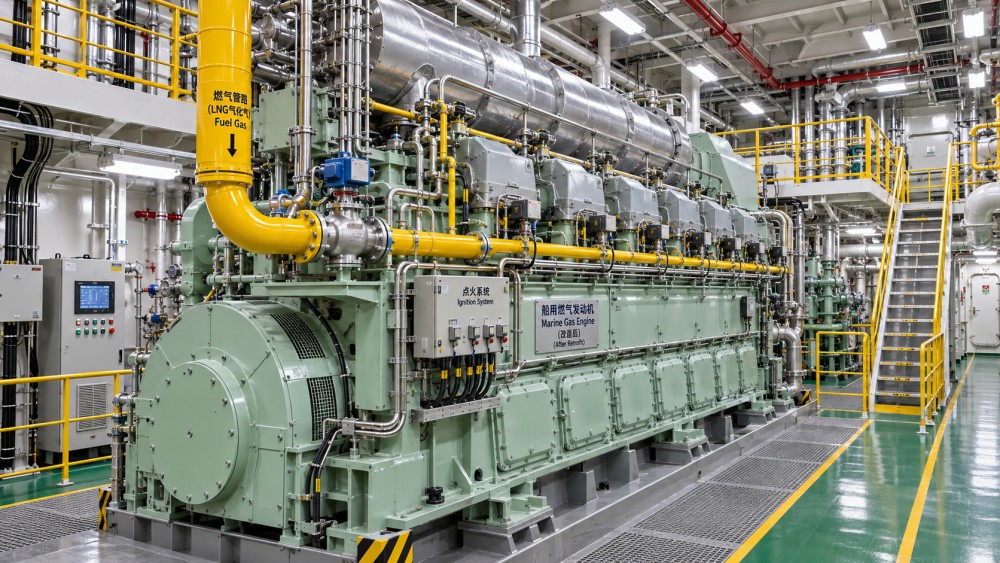
Wärtsilä has completed engine conversions on three LNG carriers operated by Chevron Shipping Company, with the event date not specified in the supplied information. The work targets lower methane emissions, an issue that may affect how vessel operators and equipment suppliers assess retrofit specifications and emissions evidence. No new policy, regulation or standard is identified in the information provided.
Three Engines Converted to Gas Operation
Wärtsilä converted one engine on each of the three vessels from dual-fuel operation to spark-ignited gas operation. The project aims to reduce methane slip and greenhouse gas emissions. Methane emissions after conversion are expected to fall to approximately 1.1% of fuel use. Similar conversions are planned for another three vessels.
What the Retrofit Could Mean for Fleet Decisions
Vessel Operators and Buyers
From an industry perspective, operators considering comparable work may need to assess the emissions objective alongside the change in engine operating mode. Buyers could examine how a proposed conversion fits vessel operating conditions and what evidence supports its expected emissions performance. The supplied information does not establish that the reported estimate has been independently measured or achieved in service.
Equipment Suppliers and Retrofit Providers
Analysis suggests that suppliers and service providers may face closer scrutiny of technical specifications, installation scope and post-conversion performance documentation. Procurement and delivery discussions could also include the availability of suitable components and the time needed for the work. These are considerations for assessment, not confirmed changes to purchasing requirements.
Testing and Assurance
For parties involved in emissions testing or assurance, the project may highlight the importance of understanding how methane performance is measured and reported. The input does not identify a testing method, certification requirement or applicable regulatory threshold, so no conclusion about compliance can be drawn from the 1.1% estimate alone.
Questions to Address Before a Similar Conversion
Clarify the Performance Basis
Operators and buyers could ask suppliers to explain the basis for any methane estimate, including the fuel-use basis, operating conditions and proposed method of verification. They should distinguish projected performance from results measured after conversion.
Review Technical and Delivery Documents
Before procurement, it may be useful to review the proposed operating mode, engine compatibility, installation scope and supporting technical documentation. Parties could also assess the effect of the work on delivery schedules and subsequent servicing; no project schedule is specified in the supplied information.
Check Applicable Requirements
Companies considering a conversion should verify any emissions, approval or certification requirements applicable to their own vessels and projects. The supplied information does not identify a new rule or establish that this particular conversion satisfies any specific requirement.
A Technical Signal, Not a Confirmed Rule Change
At this stage, it is more appropriate to understand the project as a practical technical demonstration and a signal of interest in reducing methane slip, not as evidence that a new regulation has taken effect. Further information about measured performance, operating conditions and the planned conversions could help the industry assess how transferable the approach is to other vessels. Any changes to procurement specifications or compliance expectations also remain to be observed.
Assessing the Conversion in Context
The completed work provides a concrete example for LNG fleet operators evaluating emissions-related upgrades. Its wider significance will depend on verified performance and the requirements of individual projects. For now, the reported methane figure is an expectation, and the project should be assessed on that basis.
Basis for This Report
This article is based on the user-provided news title, event-time information and event summary. No specific official source link was provided in the input, and the details require continued verification. Relevant material to monitor may include company announcements, regulatory publications, standards documents and industry reporting, particularly for measured results, the progress of the planned conversions and any changes in applicable requirements or market practice.
Recommended News