
Industry News
Curation by industry experts
Hot Articles
Popular Tags
OMV Begins Electrolyser Installation for 140MW Green Hydrogen Project in Austria
OMV has received the first electrolyser components for its 140MW green hydrogen project at the Schwechat refinery in Austria, marking progress toward replacing existing grey hydrogen use and reducing carbon emissions. The event date is not specified in the supplied information. Although the update identifies no new policy, regulation or certification requirement, analysis suggests that the construction milestone could bring delivery coordination, technical documentation and verification of future environmental claims into sharper focus for equipment suppliers, contractors and refinery procurement teams.
First Components Arrive Ahead of Planned 2027 Operation
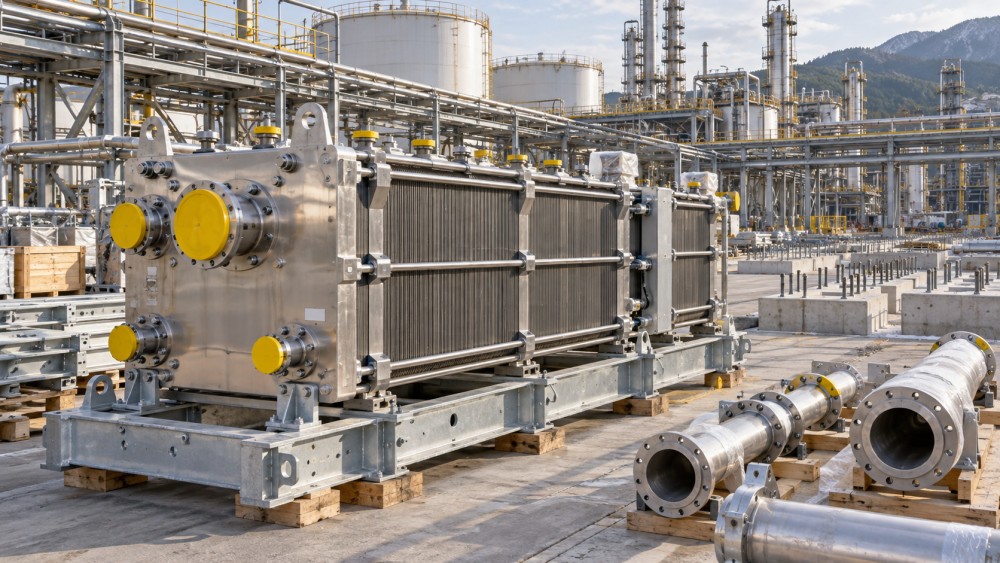
The Austrian energy company has received Siemens Energy proton exchange membrane (PEM) electrolyser components at its Schwechat refinery. Their arrival marks a key construction milestone for the 140MW project following Masdar’s withdrawal from its development.
The project is expected to enter operation in 2027. Its stated purpose is to replace existing grey hydrogen consumption and reduce carbon emissions.
Delivery Progress Brings Contract and Verification Questions into Focus
Equipment supply and installation coordination
From an industry perspective, the arrival of initial components could increase the importance of coordination between equipment suppliers, engineering contractors and system integrators. Potential implications concern the alignment of component specifications, installation documentation, delivery schedules and acceptance arrangements. The supplied information does not establish whether any contractual requirements or technical specifications have changed.
Analysis suggests that businesses involved in delivery should check which documents and acceptance criteria apply to their own scope. Physical arrival is a construction milestone; the information provided does not establish completion of installation, testing or operational acceptance.
Refinery procurement and hydrogen substitution
For refinery procurement and operating teams, the planned replacement of grey hydrogen could create a need to assess how future hydrogen supply will fit existing consumption. As a practical consideration, this may involve reviewing supply continuity, operating interfaces and the evidence needed to substantiate environmental claims. No revised hydrogen procurement terms or confirmed substitution volumes are provided.
Certification and assurance services
For certification, testing and assurance providers, the stated green hydrogen objective raises a potential verification question: what evidence will support the project’s eventual hydrogen classification and emissions claims? This is an analytical consideration, not confirmation that a particular certification scheme applies. The supplied material identifies no certification award, regulatory approval or newly introduced compliance obligation.
Checks to Prioritise as Construction Advances
Confirm responsibility after the development change
As a practical recommendation, companies with project exposure could verify their current contracting counterpart, approval contacts and allocation of delivery responsibilities following Masdar’s withdrawal. The update does not explain the contractual consequences of that withdrawal, so changes to warranties, payment arrangements or technical responsibilities should not be assumed.
Align component records with acceptance requirements
Equipment suppliers and contractors could review whether component identification, technical files, inspection records and installation instructions match the relevant contract requirements. This is a preparation measure rather than evidence of a newly imposed documentation rule. The applicable requirements would need to be established from the actual project documents.
Separate the green hydrogen objective from verified compliance
As a compliance consideration, procurement and assurance teams could establish which requirements, if any, govern the hydrogen classification and emissions statements relevant to their contracts. The project’s stated environmental purpose does not, on the information supplied, demonstrate certification or verified emissions performance. Any assessment should distinguish intended outcomes from subsequently documented results.
Use the 2027 target with delivery contingencies
For planning purposes, businesses could assess their procurement and service commitments against the expected 2027 start of operations while retaining scope to respond to updated schedules. The supplied information gives a target year but no detailed installation, commissioning or acceptance timetable. Analysis therefore supports checking later project updates before treating individual delivery dates as settled.
A Construction Signal, with Regulatory Implications Still Unconfirmed
At this stage, it is more appropriate to understand the announcement as evidence of project execution than as evidence of a change in industry rules. The arrival of equipment indicates progress after a change in development participation, but the supplied facts do not establish a new regulatory requirement, certification decision or trade measure.
From an editorial perspective, the policy and compliance relevance lies in what may need to be verified as the project approaches operation. Subsequent disclosures on applicable requirements, certification arrangements, acceptance procedures and environmental performance could help businesses assess how the project’s stated objectives translate into documented outcomes. None of those details can be inferred from component delivery alone.
Base Commercial Decisions on Confirmed Project Milestones
Analysis suggests that the immediate significance for the supply chain is the transition toward equipment installation and eventual operational delivery. Suppliers, contractors and procurement teams can use the milestone to review their project interfaces, supporting records and schedule assumptions. The proportionate response is to recognise the construction progress while treating compliance status, final performance and any wider rule implications as matters requiring further evidence.
Basis of This Article and Points for Follow-up
This article is based solely on the user-provided news title, event-time information and event summary. The event date was not specified, and no specific official source links were supplied. Project details and subsequent developments therefore require continued verification.
Relevant materials for future verification could include company announcements, project procurement documents, applicable regulatory publications and certification documentation, where available. Follow-up should focus on the installation and operating schedule, responsibilities following Masdar’s withdrawal, any disclosed changes to tender or acceptance requirements, applicable certification criteria and evidence supporting hydrogen substitution and emissions reductions. No such additional materials were provided as sources for this article.
Recommended News